Pretty sure we’ve all been through a situation like this. It usually starts off when something breaks and the person that discovers it first starts an email chain (with everyone on the 3rd floor cc’d, including the boss) and panic ensues. Although usually buried somewhere in the sea of cc’s is at least one or two people who actually know what this is about – but before they can hit the ‘reply all’ button to draft a response, the Chicken Little of the office (there’s always one) has thrown a bucket of gasoline on this fire and everyone is on the next train to chaos-ville. Oy.

In that situation, there’s not a lot you can do to stop the train – short of unplugging the email server from the wall – but if it does happen and you happen to be one of the lucky ones (?) who actually knows what’s going on and how to fix it, this is your time to step up and shine.
First off, reach out to any and all contacts you may have that can help (and only include those absolutely necessary on the email, if anyone at all). However do send a note to your immediate boss and let them know you are leveraging your contacts and will report back with any news asap.
Secondly, insert yourself into any emergency meetings or conversations so you know what’s going on. Like I mentioned earlier, it’s highly unlikely that you’re going to be able to contain the crazy, but at least if you know what the crazy is doing you won’t be doubling up on the same work.
Thirdly, if at all possible, try to establish some sort-of chain of command that dictates who should be chasing down what. (Note: this will also be important for something I’m going to talk about later.) Most likely you’ll need these key roles filled:
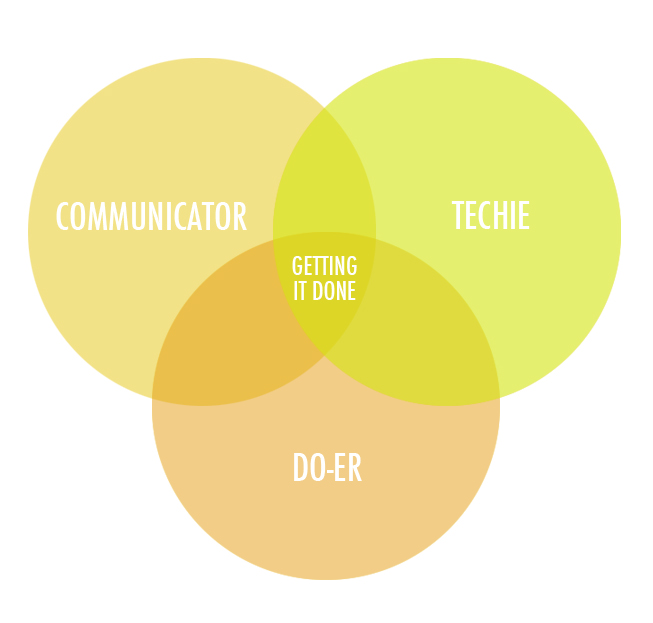
The Communicator; this is the person that will communicate updates to the executive team and any of key stakeholders
The Do-er; this person (most likely you) is the one who is going to work with whatever people and/or teams to resolve
The Techie; all problems are different, but in almost any scenario you’re going to need someone who’s technologically savvy, whether it’s a hardware or software issue you’re having
Besides those 3 roles, and any outside resources that you may be leaning on, close the circle. The more cooks you have in the kitchen the more likely you’ll start a fire.
As long as the communicator is doing their job, any execs or nosy-Nancy’s who are looking for answers are just going to have to be patient.
Once you get to the post-apocalypse stage, keep shining and showing your leadership skills!
Make a plan
Take everything that you learned getting through the recent chaos and use that to create a plan of attack that you can use should a crisis strike again in the future.
Man your battle stations!
I don’t know if that’s really what they say in the military or not, but regardless I know they do not say “run in every direction you can and just start pushing buttons”. So once you’ve established the plan and chain of command assignments: regroup with your new team, share the plan, make sure they understand what they are responsible for and let them ask questions. You may discover unexpected areas that have been missed!
Maintain open communication
Even if things are rolling along without any incidents, set up a monthly or quarterly check in with your team and any key resources. (Think of it like a practice fire drill without the loud noises, flashing lights and stampede as everyone makes their way to the one stairwell in the building.) Use these meeting to ask questions; Has any changed within the internal processes or with any outside vendors? Has anyone switched roles and you need get someone new in place? Also find out if there have been any updates to processes or systems, this may affect your plan and you need to know!
 Just Typing Away